 Gaziantep FK Hub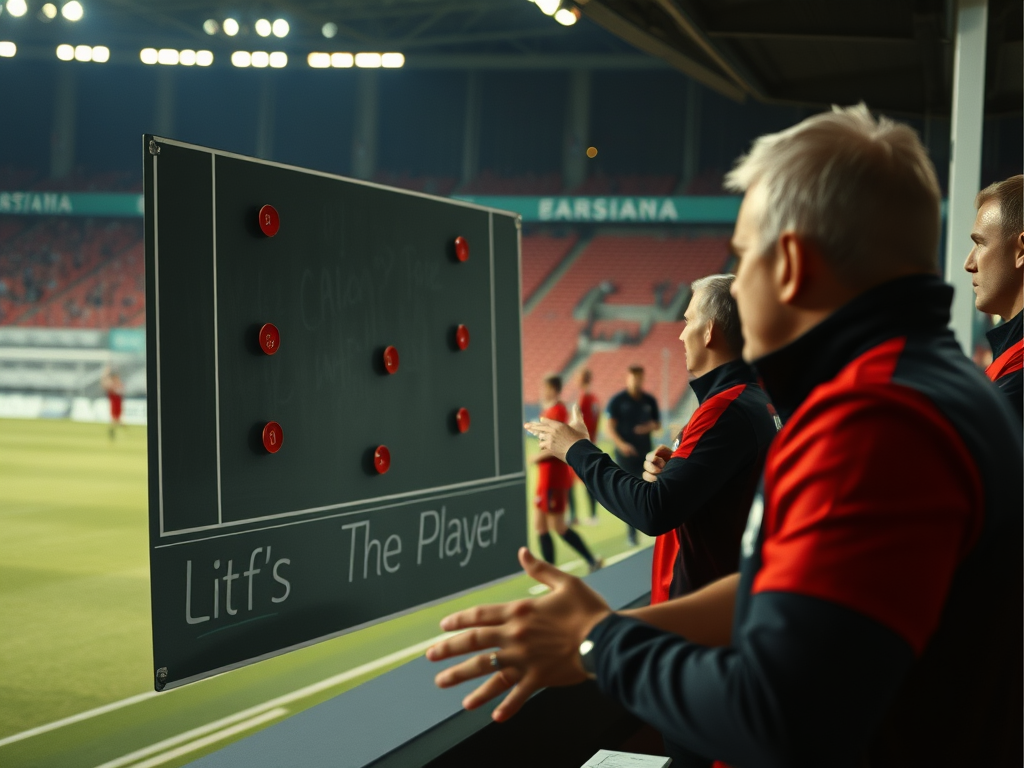
Introduction
Gaziantep FK, known for their passionate supporters and competitive spirit, has had a rollercoaster of a season. As they strive to climb the league table, it’s crucial to analyze their recent form from a tactical perspective to identify potential tweaks that could elevate their game.
Current Tactical Setup
In recent matches, Gaziantep FK has primarily employed a 4-2-3-1 formation. This setup has allowed the team to maintain a solid defensive structure while also providing width through their wingers. However, the reliance on this formation has also exposed certain vulnerabilities, particularly in transitional play and midfield congestion. The double pivot in midfield, while effective in breaking up opposition attacks, has at times struggled to link play effectively with the forwards.
Suggested Tweaks: Formation Shift to 4-3-3
One of the most promising adjustments would be to transition to a 4-3-3 formation. This change would not only provide more support in the midfield but also allow the wingers to stretch the opposition’s defense further. With three central midfielders, Gaziantep FK could enhance ball retention and improve their ability to control the tempo of the game. This formation could also facilitate a more aggressive pressing strategy, disrupting the opponent’s buildup from the back.
Optimizing Player Roles
- Midfield Dynamics: Shifting to a three-man midfield allows for a more fluid dynamic. By positioning B. Kaya as a more advanced playmaker, he can exploit the spaces left by opposing defenses, while his partners focus on defensive duties and ball recovery. This change could unleash Kaya's creativity, making him a key figure in transition play.
- Winger Responsibilities: The wingers, such as Y. Kurt, should focus on cutting inside more often, allowing overlapping runs from the full-backs. This strategy not only creates confusion in the opponent’s defense but also opens up opportunities for crossing or through balls into the box for strikers.
- Striker Movement: The lone striker should be encouraged to drop deeper to link play, creating space for the wingers to exploit. This tactic could also draw central defenders out of position, allowing for late runs from midfielders to capitalize on the space created.
Defensive Solidity
While attacking adjustments are crucial, maintaining defensive stability is equally important. The back four must remain compact, focusing on communication and positioning. Implementing a zonal marking system during set pieces could mitigate the risk of conceding goals from corners and free-kicks, areas where Gaziantep FK has shown vulnerability.
Conclusion
In summary, Gaziantep FK has the potential to re-emerge as a strong contender in their league with some tactical adjustments. By shifting to a 4-3-3 formation, optimizing player roles, and ensuring defensive solidity, Antep can harness their talents more effectively. This strategic evolution could not only improve their immediate results but also lay the groundwork for a successful future.